





| |
|
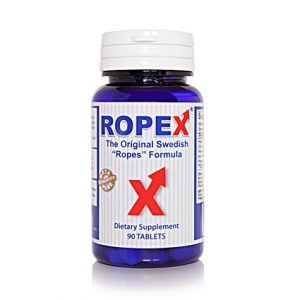
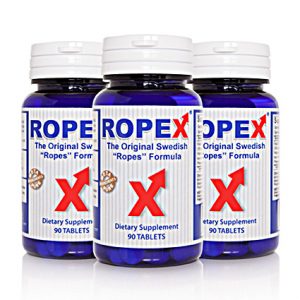
ROPEX® top selling
sperm pill to increase ejaculation and stronger orgasm

"Naturally increase
ejaculatory contractions and
ejaculate volume associated with orgasms!"
The ROPEX® formula was developed in Sweden in the mid 1960's. It
consists of a unique blend of pharmaceutical-grade botanical seed
extract designed to increase men's sexual vitality. Over the past
several decades, it has been used by millions of men in Europe,
Japan and throughout Asia for the improvement of sexual performance
and recovery. ROPEX® users typically experience stronger ejaculation
with increase in semen volume, seminal fluid and more sperm release.
Additionally men typically experience a more intense orgasm
sometimes resembling multiple male orgasm or so called huge orgasms
by some ROPEX® users, due to improved male ejaculation. It can
therefore be said that the intensity of the male orgasm is related
to amount of seminal fluid released. More ejaculation and more semen
equal stronger sex orgasm.
Key Benefits Provided By ROPEX®
- More intense ejaculation contractions due
to the strengthening of the vas deferens muscle (the muscle
responsible for the expulsion of semen)
- Increase semen volume of ejaculation
release, creating the "ropes" effect
- Improved semen volume quality
- More satisfying orgasm due to stronger
and deeper ejaculation contractions
- Improved prostate health
- Increase in sperm count
- Faster recovery for second orgasms
- Improved Erectile Dysfunction caused by
diabetes
- General well being and vitality
- Longer stronger orgasms
About Male Orgasm And Ejaculation
Male ejaculation is defined as the release of
semen from the penis. During sexual stimulation, semen collects in
the ejaculatory ducts located where the vas deferens join seminal
vesicles within the prostate gland. When stimulation reaches climax,
a spinal reflex causes contractions to the muscles within the penis,
urethra, and the prostate gland. These contractions propel the semen
through the urethra and out of the tip of the penis. Approximately
2-5 ml of semen (with an astounding 20 million sperm per ml) is
released during orgasm. Semen acts as the carrier plasma for sperm.
Male ejaculation and orgasm typically occur simultaneously. The
rhythmic contractions associated with ejaculation and orgasm occurs
at 0.8-second intervals, just as in women, and account for the
spurting action of the semen during ejaculation. The intervals
between contractions become longer and the intensity of the
contractions tapers off after the first three or four contractions.
During semen ejaculation, the sphincter of the urinary bladder is
tightly sealed to keep urine from mixing with the semen, as well as
making sure that the fluid travels forward, or out.
Issues With Male Orgasm, Ejaculation And
Fertility
Ejaculation without orgasm: In situations where
ejaculation occurs on its own, there are two main causes. In the
first, involuntary ejaculation occurs during sleep, and is known as
nocturnal emission (formally) or a wet dream (in slang). The second
main cause is known as premature ejaculation, which is a sexual
condition in which a man consistently feels he has little or no
control over the timing of his build up to ejaculation.
Orgasm without ejaculation: Orgasm can occur
without ejaculation. Retrograde ejaculation is a condition where the
bladder's sphincter does not close off properly during ejaculation,
so semen flows into the bladder. It is commonly found in men who
have multiple sclerosis, diabetes, or after some types of prostate
surgery. It can also occur occasionally in men who do not have any
serious problems. It is not physically harmful, but it can render
the man infertile and he may have a different sensation during male
ejaculation. This condition is also known as a "dry come" because
the man may experience orgasm, but no semen is released from the
penis. Additional causes of infertility due to low sperm count in
semen can be: heat due to testicles being too close to the body
(tight pants) or prolonged hot baths, being overweight, smoking,
excessive alcohol intake, infection of the prostate gland.
|
|
|
|